


2025-12-04
At the recently held 2025 WTA · Xianghu Dialogue in Hangzhou, China, guests from around the world engaged in in-depth discussions on the theme "Cross-Sector Tourism Integration: New Consumption and Experience Innovation".
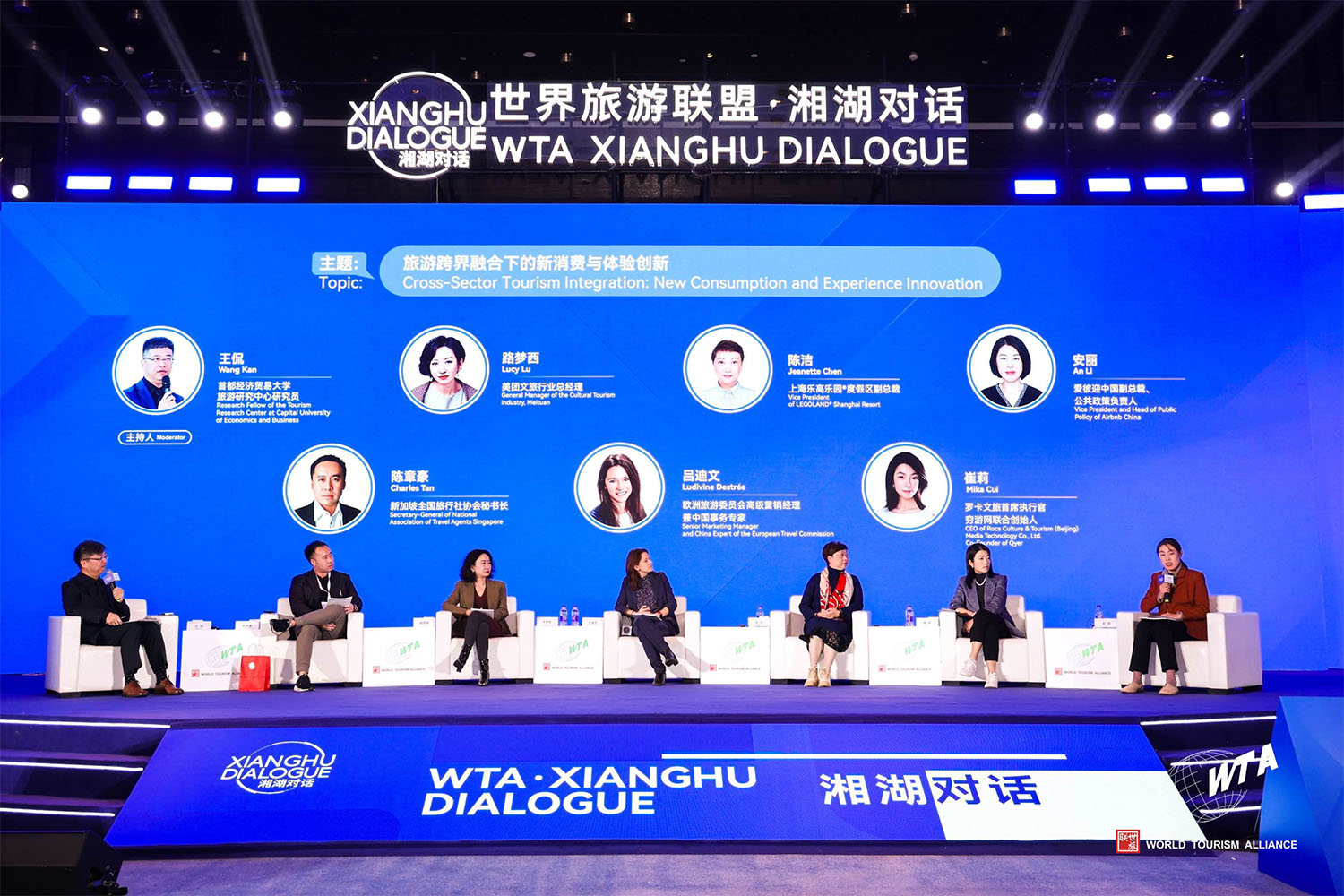
Moderator: Mr. Wang Kan, Research Fellow of the Tourism Research Center at Capital University of Economics and Business
Panelists:
Mr. Charles Tan, Secretary-General of National Association of Travel Agents Singapore
Ms. Lucy Lu, General Manager of the Cultural Tourism industry, Meituan
Ms. Ludivine Destrée, Senior Marketing Manager and China Expertof the European Travel Commission
Ms.Jeanette Chen, Vice President, LEGOLAND® Shanghai Resort
Ms. Mika Cui, CEO of Roca Culture & Tourism (Beijing) Media Technology Co., Ltd., Co-Founder of Qyer, Secretary-General ofProfessional Committee of Rural Revitalization, China Association of Travel Services
Ms. An Li, Vice President and Head of Public Policy of Airbnb China
Here is a transcript of the discussion:
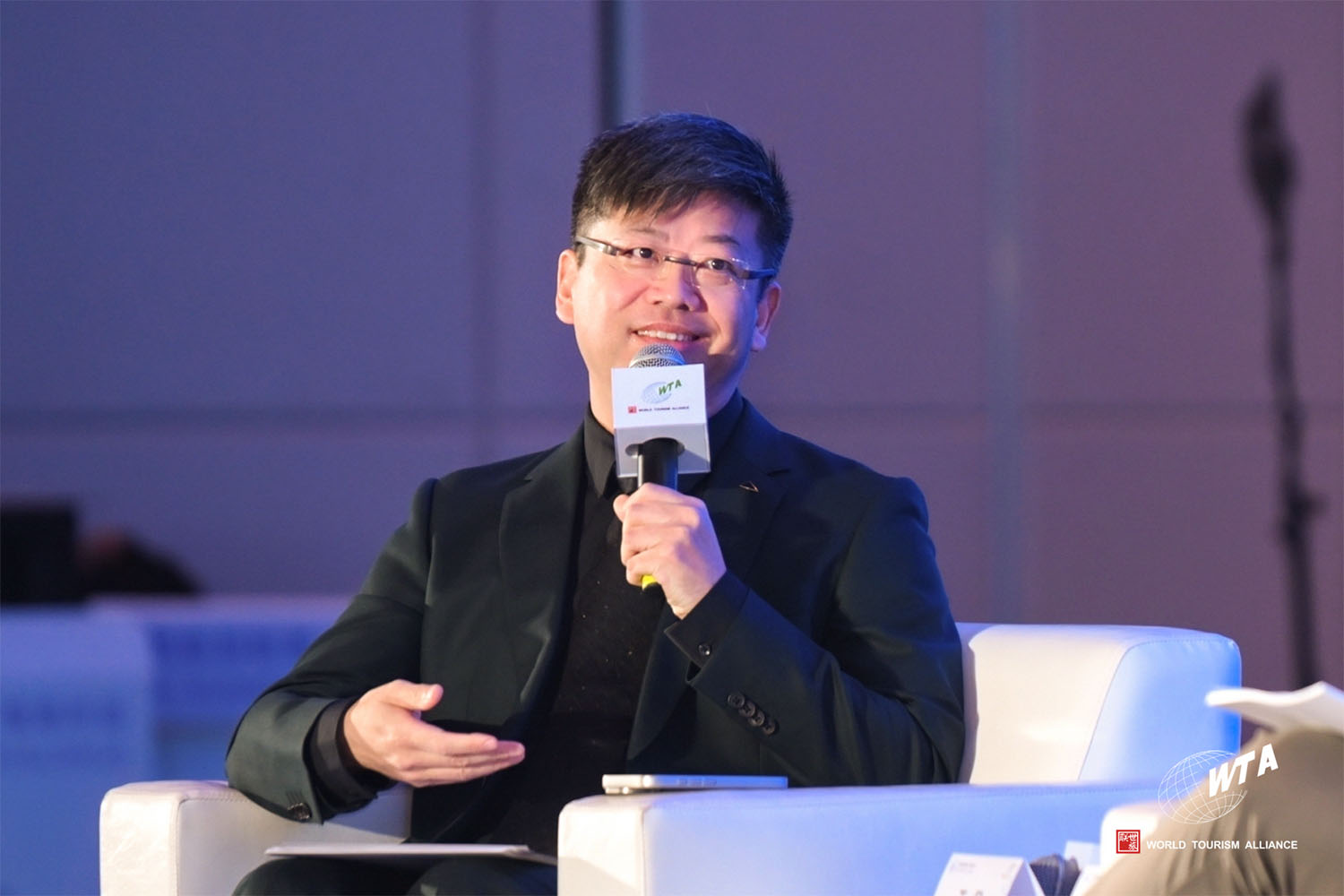
Moderator: The global tourism industry is currently experiencing a wave of transformation and cross-sector integration, giving rise to unprecedented new business models and consumption patterns. In this context, how can theme parks leverage innovative approaches to enrich consumption scenarios and enhance visitor engagement and experiential depth?
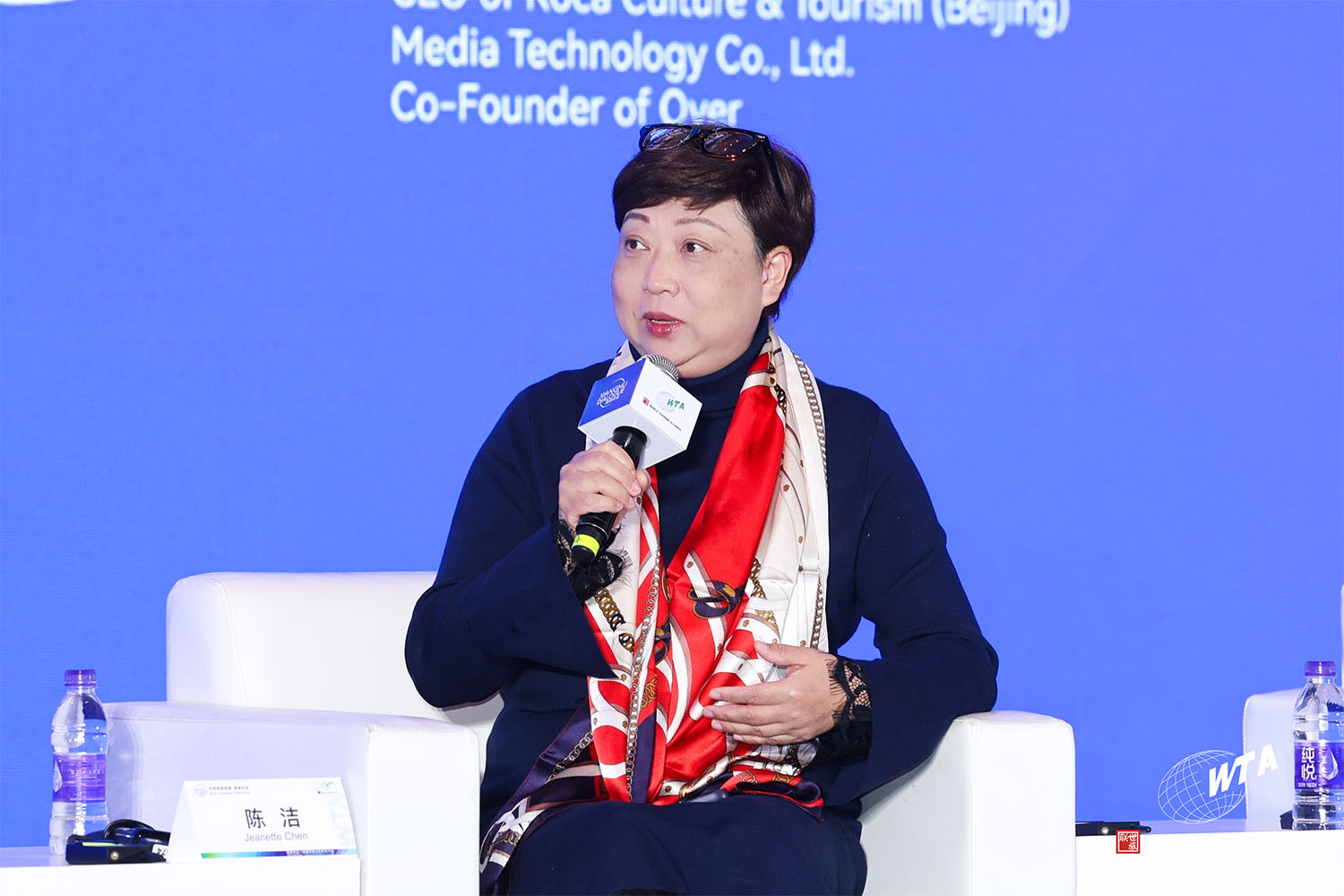
Ms. Jeanette Chen: Shanghai LEGOLAND officially opened on July 5 this year. As the first LEGOLAND® Resort in China and the largest of its kind globally at launch, it features eight themed zones, 75 attractions, and a LEGO-themed family hotel. Since opening, over 80% of our visitors have been families with children. Their demand for high-quality companionship, learning through play, and immersive experiences aligns perfectly with the park’s original vision. Within the resort, we’ve set up 13 themed building zones, 8 creative workshops, and nearly 3,000m2 of MINILAND. Here, children can not only create independently but also collaborate with others to build their own story-driven LEGO worlds, fostering creativity while having fun. We aim to convey the LEGO philosophy of "learning through play, and playing through learning". The park places special emphasis on parent-child interaction, encouraging parents to fully engage rather than simply observing their children’s experiences. Secondary spending within the park has far exceeded expectations since opening, thanks to three key local innovations: (1) Deep Localization of Chinese IP: We’ve developed a full-scenario experience — spanning attractions, live performances, retail, and dining — around the Chinese IP LEGO Monkie Kid, which has deeply resonated with local families. (2) Social Media-Driven Hit Products: Leveraging the power of online platforms, we’ve launched trending merchandise such as Mr. Popcorn-shaped popcorn buckets, LEGO-themed transparent "ita bags", and smiley-face LEGO Minifigure water bottles. These viral products have attracted around 20% of a younger, non-parent demographic. (3) Enhanced Social Experiences for Children: Recognizing the social needs of only children, we introduced Minifigure Trading. With a simple passphrase, children can trade LEGO Minifigures with park staff who wear them on their name tags. This initiative has been warmly received, adding both immersion and social value to the visitor experience.
Moderator: When I searched for LEGOLAND on Meituan, I found that the offerings went well beyond just tickets — they also included hotel stays, travel photography services, and more. From Meituan’s perspective, how do you view the rise of the "Tourism+" model? What are your expectations for the next wave of consumer travel experiences?
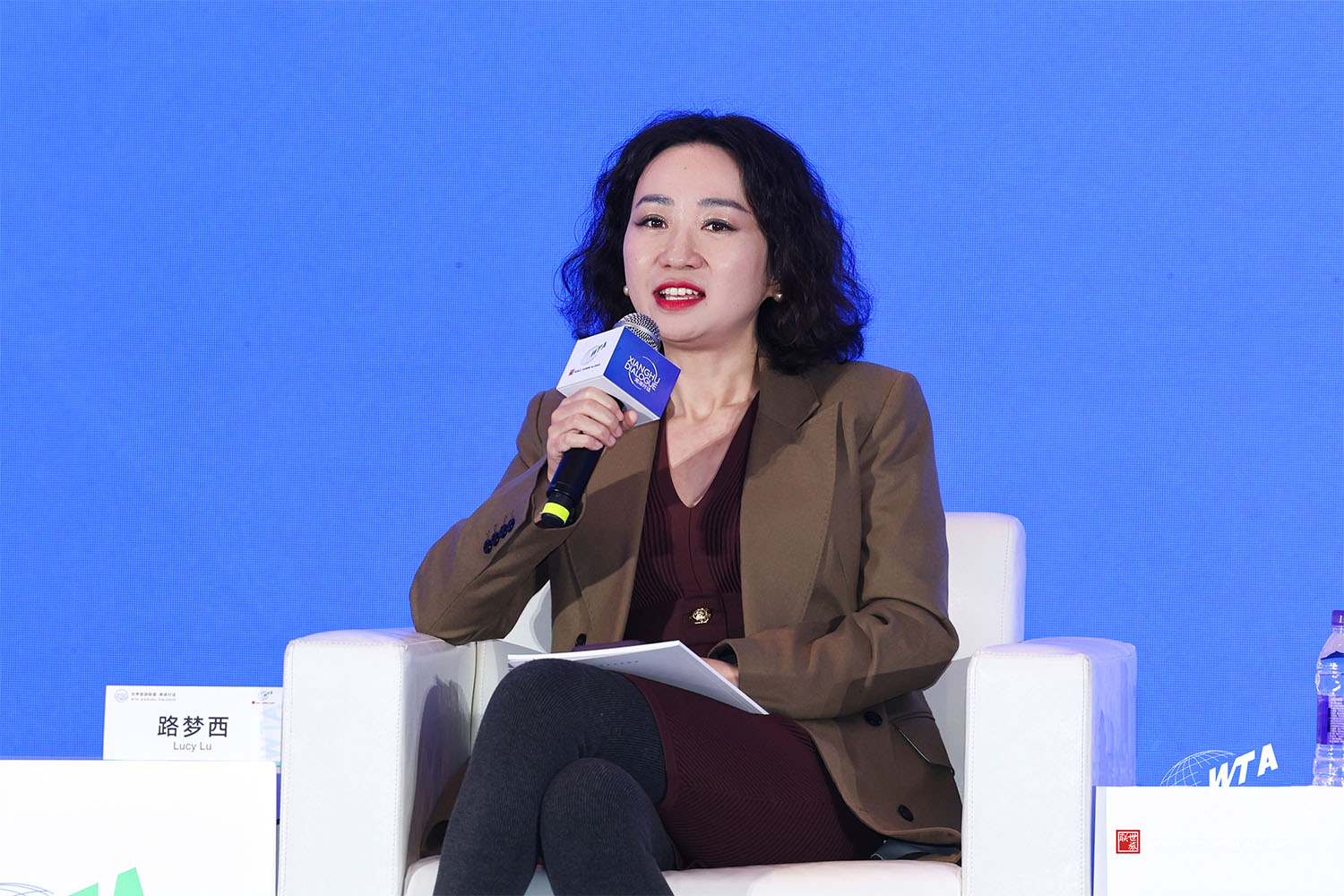
Ms. Lucy Lu: In recent years, Meituan has conducted extensive exploration centered on the core elements of tourism, forming multiple integrated models with a focus on “Accommodation+”. I would like to share two key models:
1. "Attraction + Dining" Model. Surveys show that 93% of travelers feel stressed about deciding where to eat during trips. To address this, Meituan co-created a "Scenic Attraction + Dining" model with Universal Studios Beijing. To generate curiosity and engagement, the theme park’s gourmet kitchen team joined Meituan’s high-traffic livestream channel to showcase how the popular Minions meal sets are crafted. Meanwhile, Meituan generated buzz by placing blind box giveaways in food lockers at nearby office buildings, giving customers a chance to win dining packages worth up to RMB 566. To further enhance the visitor experience, a specially curated "Decepticoaster + Themed Restaurants" food map was also launched, helping guests plan their dining routes in advance. During the collaboration period, food sales at Universal Studios increased by 120%, and the question "What to eat at Universal Studios?" became a trending topic on Dianping.
2. "Accommodation + Retail" Model. During the May Day holiday, Meituan partnered with the Dragon Hotel Hangzhou, along with brands such as Mentholatum and L’Oréal, to launch a "Luggage-Free Travel" service. Families could check in with minimal luggage, while essential baby care items and sunscreen were delivered to their rooms within 30 minutes. This campaign helped increase the hotel’s revenue by 10%, and sales of certain Mentholatum products surged tenfold. Meituan’s ability to achieve traffic synergy with partners is rooted in three core advantages: data-driven insights for identifying cross-sector integration opportunities; coverage of over 220 product categories, enabling high-frequency consumer engagement during travel; and the capacity to transform "bookings" into diversified experiential scenarios. As a tech platform with over 12 million merchants, Meituan addresses pain points in the cultural and tourism sector — such as inadequate experience upgrades, low operational efficiency, and high innovation costs — by offering systematic solutions powered by AI and robotics. Looking ahead, Meituan will position itself as a "Scenario Co-Creator", promoting deeper integration between lifestyle and tourism consumption and driving collaborative growth across the industry.
Moderator: Meituan capitalizes on its robust platform ecosystem, LEGOLAND differentiates itself through innovative offerings, while Airbnb integrates both advantages. As a home-sharing platform, in what ways does Airbnb reshape modern tourism experiences?
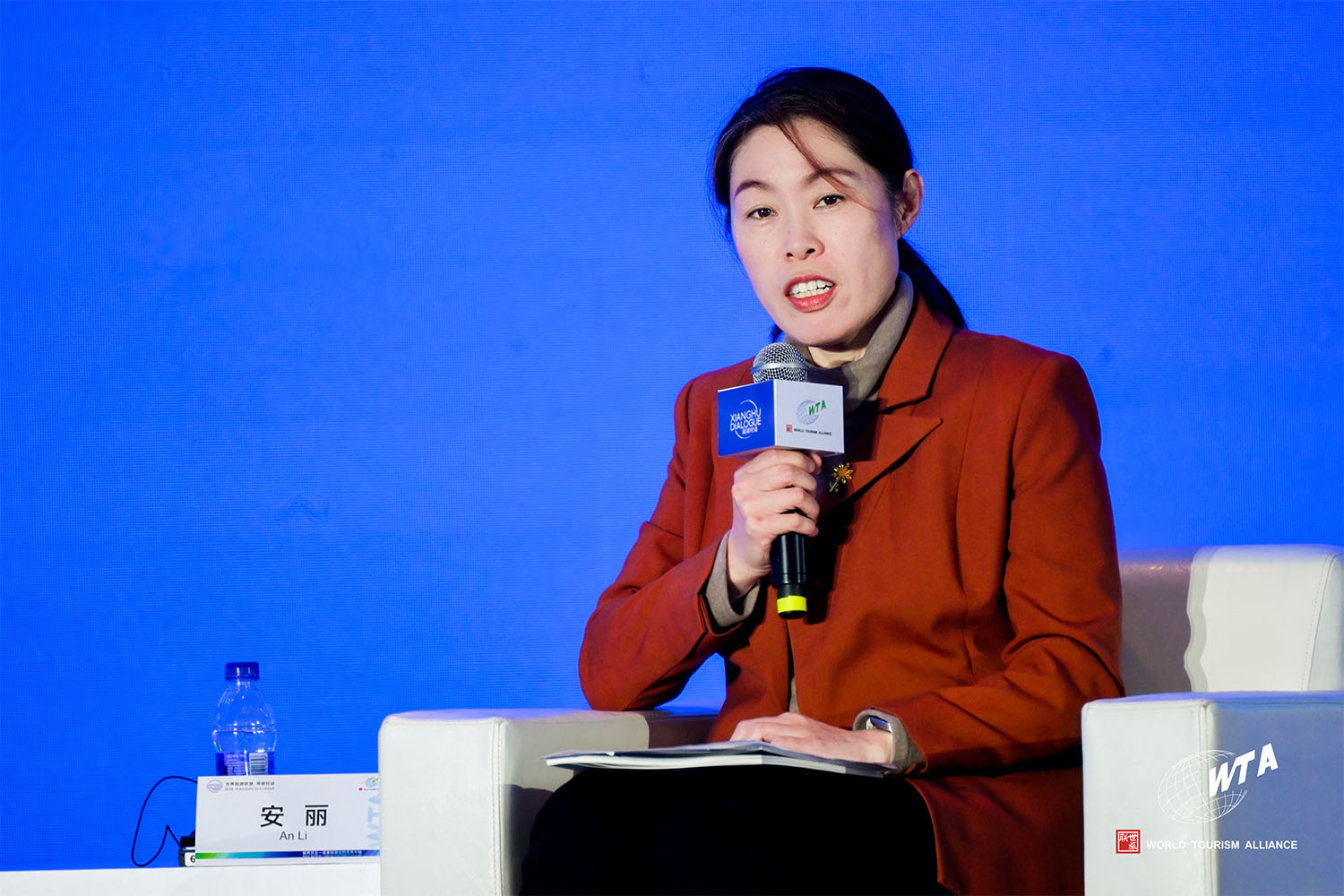
Ms. AN Li: Airbnb has always been committed to offering global travelers a new lifestyle through unique accommodations, diverse experiences, and attentive services. Our integration efforts focus on three dimensions: (1). Deep Integration with Local Living. In May, we launched two new product categories: "Experiences" and "Services". Our aim is to help travelers not only live like locals, but also play like locals — making their journey both authentic and playful. When booking accommodations, guests can now add services such as private chefs, photographers, hairstylists and makeup artists, light meals, or in-room massages — all through one-stop options. Data shows that over 80% of Chinese users, especially Gen Z and families, prefer to book these add-ons in advance. (2). Engaging Young Travelers Through Experiences. For example, we launched an experience inspired by the popular musical IP Wicked, titled "The Wicked Witch’s Forest Hideaway". This allows guests to fully immerse themselves in a magical, themed setting. (3). Collaborating with Global Sporting Events. As an official partner of the Olympics, Airbnb will sponsor five consecutive Games. Starting this year, we are also entering a strategic partnership with FIFA, providing accommodations for the World Cup and other major sporting events. According to a Deloitte Insights report, during the 2026 FIFA World Cup, Airbnb stays are projected to generate $3.6 billion in economic impact for host cities and create 34,000 full-time jobs.
As a global platform, Airbnb continues to enhance its products and technology to better connect Chinese travelers with global hosts and experience creators. On the social side, new features like "Companion Preview" and "Travel Circle" allow users to view travel companions’ profiles, message them directly, and build communities around shared interests — all while respecting user privacy. On the technology side, our AI-powered customer service supports real-time multilingual translation and continuously improves contextual and cultural accuracy, significantly reducing the need for manual support. Additionally, we are developing a next-generation smart search tool that will enable users to generate personalized itineraries simply by describing their preferences via voice input. Looking ahead, Airbnb will continue to combine technology with human-centered philosophy to make every journey more seamless, stress-free, and emotionally connected.
Moderator: While globalization brings shared challenges to the tourism industry, China also demonstrates distinct national characteristics that shape its market dynamics. Returning our focus to the fundamentals of the industry, the critical role of travel agencies cannot be overlooked. From the perspective of travel agencies, what new trends and developments are emerging in inbound tourism from Singapore to China?
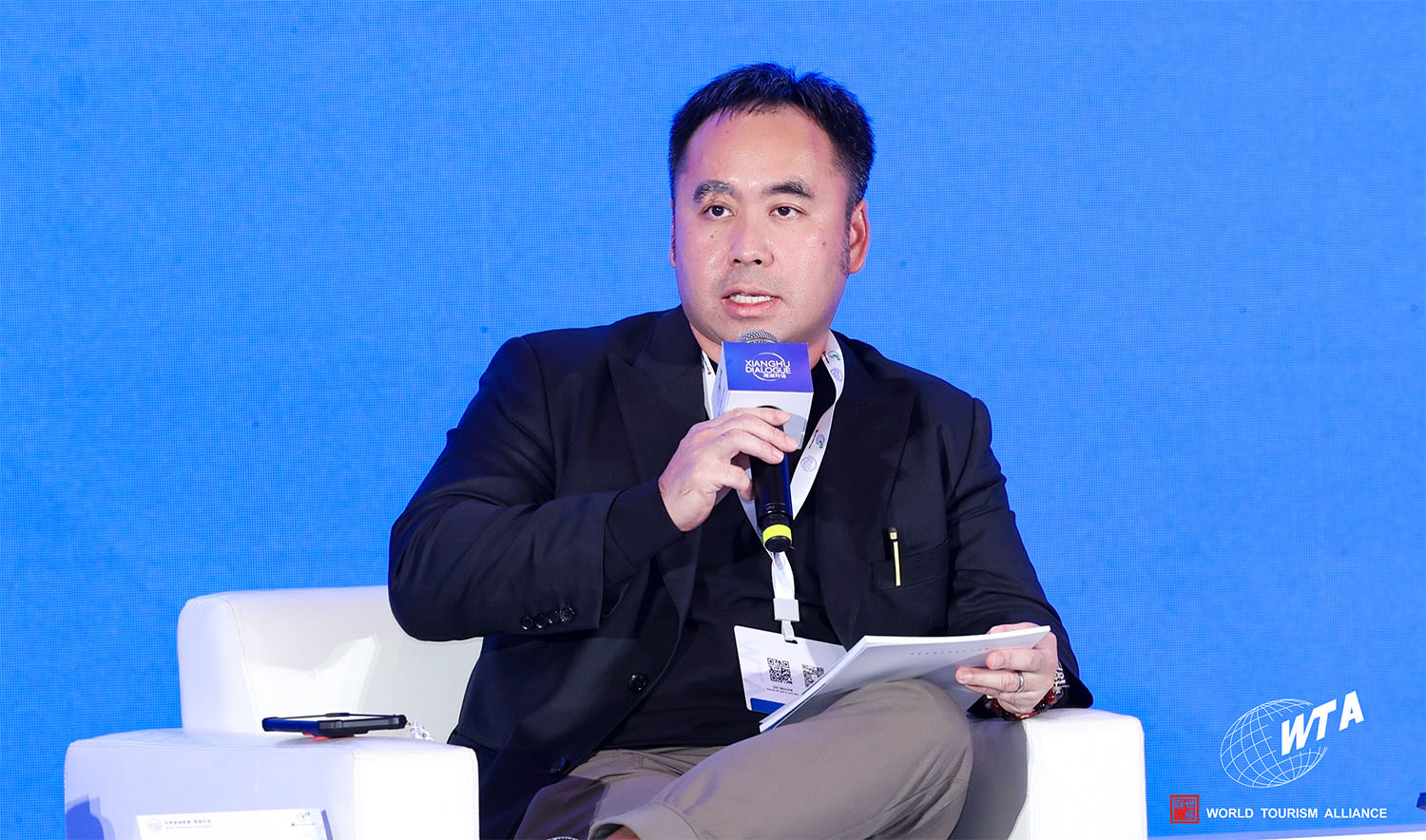
Mr. Charles Tan: China’s visa-free policy for Singaporean citizens has significantly stimulated interest in traveling to China. In 2023, Singapore residents made approximately 260,000 trips to China; by 2024, this number had nearly doubled to 530,000, and the growth momentum continues. China has long been a top destination for Singaporean travelers, with Yunnan, Hainan, Xinjiang, and Zhangjiajie among the most popular regions.
Concurrently, we have observed three key shifts in traveler behavior and preferences: (1). Younger Demographics and Social Media–Driven Travel. Driven by the rise of user-generated content platforms, more young Singaporeans are actively choosing to travel to China, making "China tours" a trending topic on platforms such as Xiaohongshu and Facebook. Short videos capturing immersive scenes — such as motorcycles weaving through the layered streets of Chongqing — have ignited enthusiasm among younger audiences. A particularly notable phenomenon is the emergence of "Adults-Only Travel", where young travelers invite their parents to join them on trendy, youth- oriented adventures across China. (2). Growing Interest in Niche and Thematic Travel. Singaporean travelers are increasingly seeking interest-driven tourism experiences: Sports enthusiasts are eager to participate in tennis and table tennis training sessions in China. For table tennis lovers, China remains the ultimate destination for honing their skills. Students are joining study tours to China organized by private schools, highlighting the deepening integration of education and travel as a key feature of China–Singapore cultural exchange. In the urban arts scene, street dance is immensely popular among Singaporean youth. China’s professional street dance studios offer structured, high-quality training, eliminating the need to travel as far as Korea for similar experiences. (3). Demand for Immersive Cultural and Culinary Experiences. More travelers are seeking deeper cultural engagement. For example, during a stay at the Four Seasons Hotel Hangzhou, I had the opportunity to enjoy a customized Hangzhou cuisine experience, where the chef not only prepared the dishes but also guided me through the cooking process. Such interactive moments are highly valued by visitors. Additionally, the convenience of mobile payment systems like WeChat Pay and Alipay, coupled with efficient infrastructure and a well-developed direct flight network, has significantly enhanced the travel experience for Singaporeans. As more travelers embrace the accessibility and richness of visiting China, travel agencies must fully leverage their strengths — by building collaborative ecosystems with destinations and enterprises — to drive transformation and sustainable growth in the inbound tourism market.
Moderator: With the new generation of Chinese travelers increasingly pursuing more meaningful and experiential journeys, how is the European Travel Commission (ETC) responding to this evolving demand as the organization responsible for promoting European tourism?
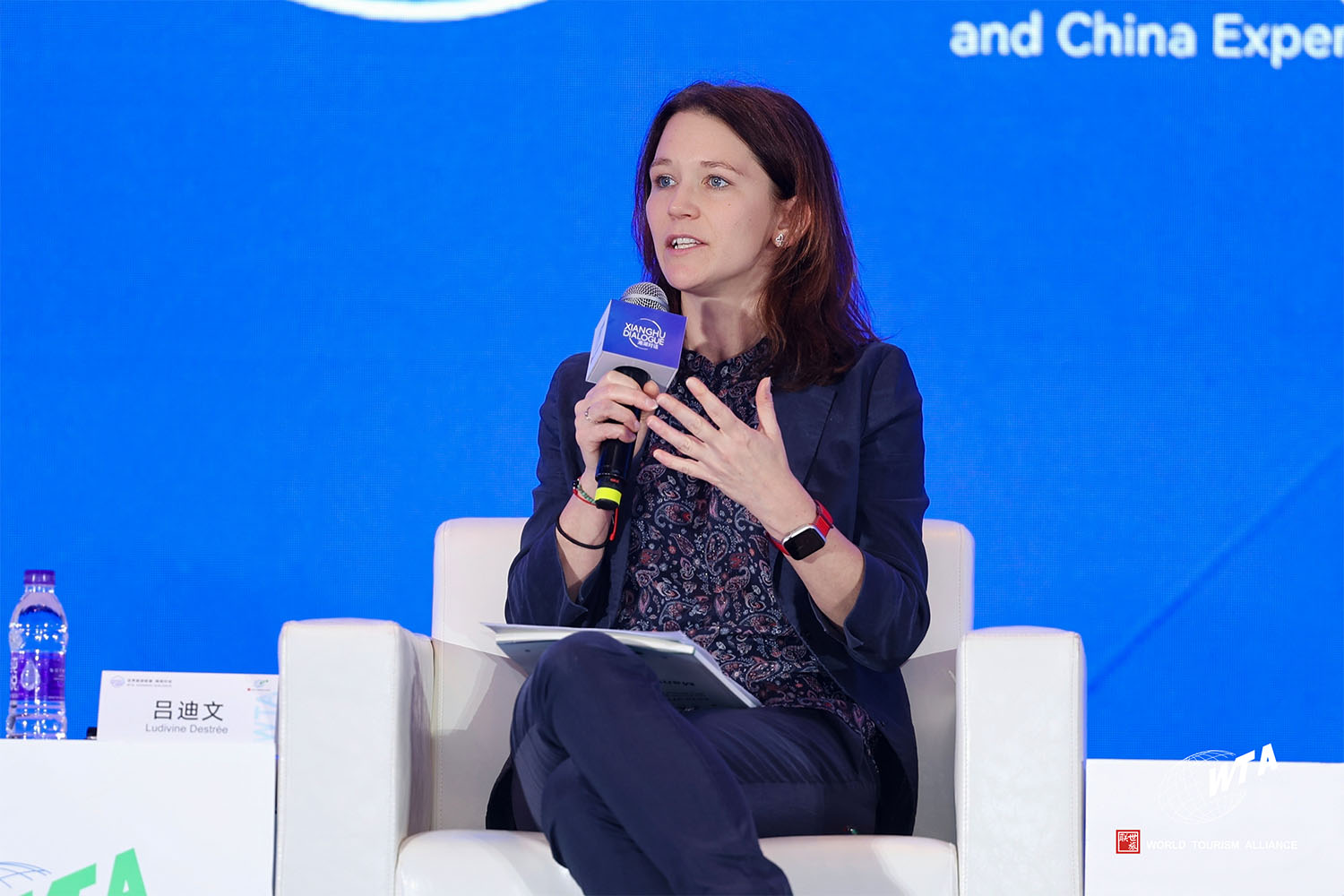
Ms. Ludivine DESTRÉE: In our global promotion, the European Travel Commission emphasizes the principles of sustainable development and advocates for responsible travel. We believe this approach does not restrict tourism but rather enhances the quality of the travel experience. Accordingly, we offer four key recommendations to travelers: (1) Travel Off-Peak: We encourage visitors to explore Europe in spring or autumn when crowds are smaller, the weather is pleasant, and accommodation and dining are more affordable. (2) Discover Lesser-Known Destinations: Many unique places — often just a hundred miles from major attractions — offer authentic, distinctive experiences without the crowds. (3) Prioritize Green Travel: Choosing train travel, for example, is not only environmentally friendly but also provides a unique perspective on the European landscape. (4) Support Local Communities: By enjoying local cuisine and exploring neighborhood attractions, travelers can have a positive impact on host communities.
We believe these approaches help Chinese travelers move beyond traditional impressions of Europe and access a deeper, more rewarding travel experience. As one of the most popular long-haul destinations for Chinese tourists, Europe’s tourism development relies on cross-border collaborative partnerships. The ETC integrates the tourism resources of 36 European countries, including EU members and neighboring nations. This allows us to speak with a unified voice — what we call the "Voices of Europe" — while also showcasing the cultural diversity and unique charm of each country. In addition, we collaborate with a wide network of partners, including airlines, online travel agencies, payment platforms, and media organizations, to help travelers make smarter, more informed travel decisions. The European Travel Commission is committed to building a platform that connects the tourism industries and consumers of China and Europe, serving as both a connector between the Chinese and European tourism industries and a multiplier of Europe’s tourism influence. We help consumers gain deeper insight into what Europe has to offer, while supporting industry partners in identifying cooperation opportunities. Looking ahead, we will continue to showcase the timeless charm and rich diversity of Europe in fresh, engaging, and dynamic ways.
Moderator: As Chinese travelers’ overseas experiences continue to evolve, how does Qyer perceive the future trends in tourism consumption preferences?
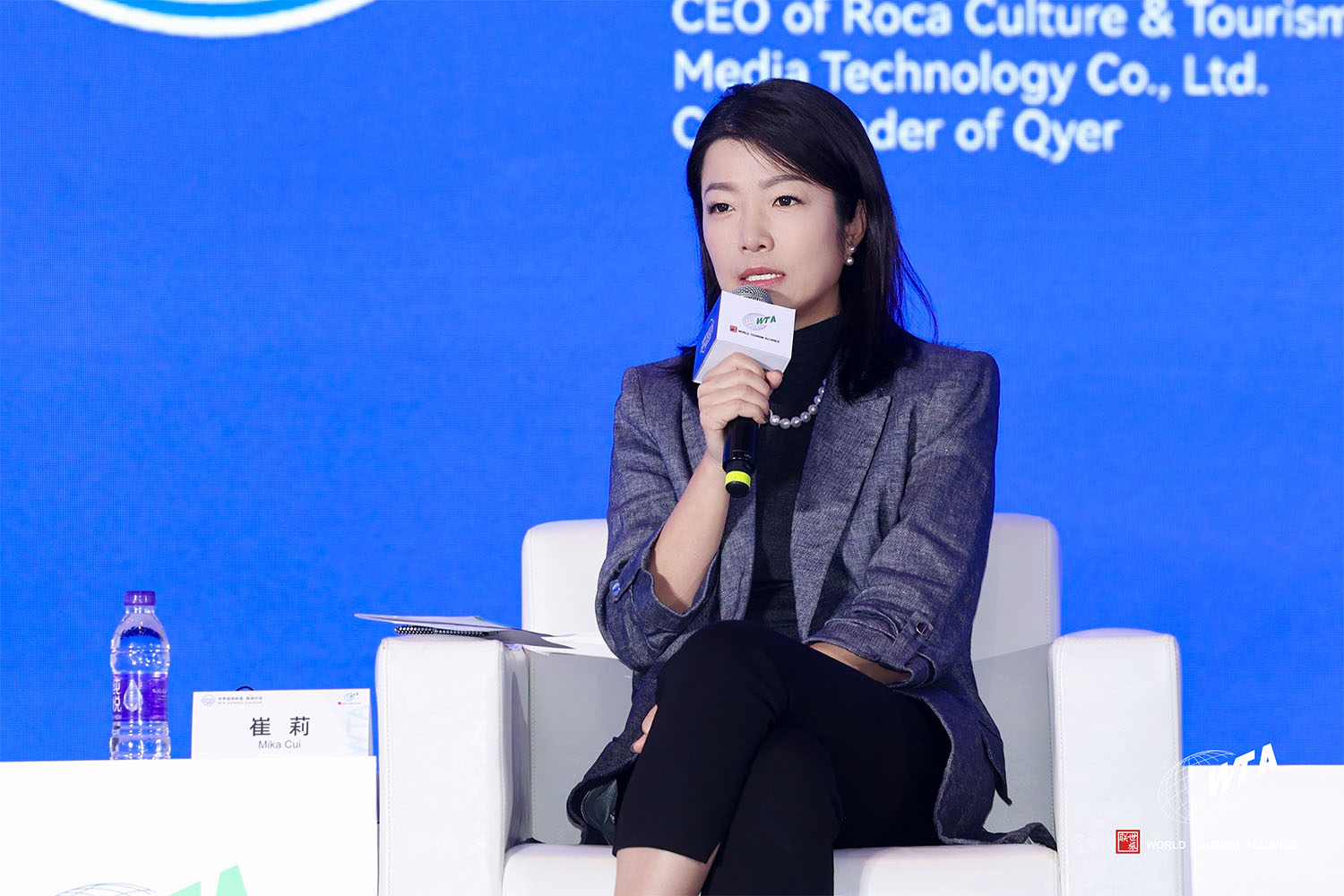
Ms. Mika CUI: Based on our analysis of data from the past two years, we have observed a rapid convergence in the expectations of domestic and international travelers. This trend is driven by continuous optimization of China’s inbound and outbound travel policies, alongside the ongoing innovation and upgrades implemented by travel product and service providers. One significant development is the emergence of large-scale cultural and sporting events as dynamic, cross-sector consumption hubs: For instance, at a Foshan music festival, Tong Ren Tang made a surprising appearance, showcasing its youthful side and proving that even a 300-year-old brand can speak to Gen Z. Its cross-sector approach brought the brand into the cultural spotlight with fresh energy. New consumer brands like CHAGEE, as well as artists and creators, are increasingly woven into tourism environments, fostering a rich fusion of culture, commerce, and experiential consumption. Regarding specific traveler segments: Gen Z Travelers from the U.S. show a strong preference for off-season travel and seek flexible, immersive experiences. European travelers are increasingly prioritizing sustainability as a collective focus. In one of our past collaborations in Europe, we introduced a green initiative in Europe where tourists were offered free kayak rentals in exchange for assisting with litter collection from the water’s surface. This project attracted over 100,000 participants in under two years. Sustainability is also embedded in our marketing efforts — for example, by using eco-friendly materials for event booths and conference materials. There are also many examples in China where culture and environmental sustainability are deeply integrated. For instance, recycled plastics are used in combination with intangible cultural heritage crafts to create bags, or cultural products are co-created in collaboration with institutions like the Palace Museum. The convergence of wellness and adventure tourism: In Europe, health tourism and adventure travel are merging at a rapid pace. Per capita spending in this combined segment reaches €1,500 to €1,600, significantly surpassing that of traditional cultural tourism.
Finally, let me talk about the application of AI in the tourism industry. A startup in Hangzhou has developed an AI-powered travel companion that uses a built-in camera to capture the journey from a child’s perspective, providing a contrast to the adult viewpoint. This showcases the potential of AI in enhancing companion-based experiences. However, multiple international reports indicate that when using AI to plan trips, users often need to verify the AI-generated itineraries, as the system still struggles to accurately assess key details such as the distance between attractions and the duration of visits. Building trust with humans is a long road ahead for AI.
Moderator: It is our hope that through our collective efforts, we can foster greater mutual understanding between supply and demand across the entire tourism value chain. By breaking down barriers in service delivery, we can ultimately create a seamless, closed-loop journey from initial engagement to final consumption.